
Key Takeaways:
- Speech delay is common and usually treatable — it’s one of the most frequent developmental concerns in early childhood, and most toddlers respond well when support starts early.
- Screen time is strongly linked to delayed speech — a 2026 study of 2,000 children found 60% showed speech delay overall, with toddlers hit hardest at a 70% rate, especially with heavy, unsupervised, or low-quality screen exposure.
- Speech delay is a global issue, not an isolated one — a separate 2026 study found it affects roughly 3% to 20% of children worldwide, showing the range depends heavily on region, healthcare access, and screening criteria.
- Watch for a cluster of signs, not just one — no babbling by 12–15 months, few words by 18 months, no two-word phrases by age two, being hard to understand, limited response to instructions, heavy reliance on gestures, or losing previously learned words are all worth flagging together.
- Causes are rarely just one thing — hearing issues, limited verbal interaction at home, screen habits, developmental conditions like autism, premature birth, bilingual households, and family history can all play a role, often in combination.
- Early evaluation beats waiting it out — talking to a pediatrician and getting a referral to a speech-language pathologist as soon as concerns arise gives kids the best shot at catching up, since early intervention programs tend to be more effective the sooner they start.
- Everyday interaction matters at home — reading together, narrating daily routines, limiting passive screen time, and engaging in back-and-forth play all support language growth alongside any professional care a child may need.
If you’ve ever caught yourself comparing your toddler’s chatter to the neighbor’s kid who seems to be reciting full sentences at eighteen months, you’re not alone. Nearly every parent hits a moment where they quietly wonder, “Should my child be talking more by now?” It’s a fair question, and it’s one that more parents are asking in 2026 than in years past. Part of that has to do with how visible development has become. Between pediatric checklists, parenting forums, and social media comparisons, it’s almost impossible not to notice when your toddler seems a step or two behind their peers.
The good news is that speech delay is one of the most common developmental concerns in early childhood, and it’s also one of the most treatable when caught early. It’s not a reflection of how attentive or capable a parent has been, and in most cases, it’s not a sign of anything permanent either. What matters most is recognizing the pattern early enough to act on it. This article breaks down what the latest research actually shows, walks through the signs that genuinely warrant a closer look, explains some of the more common underlying causes, and gives you a clear sense of what to do next if you suspect your child might be falling behind.
What Counts as a Speech Delay in Toddlers
Before diving into warning signs, it helps to understand what speech delay actually means. Broadly speaking, a speech delay happens when a child isn’t developing spoken language at the pace typically expected for their age. This can show up as trouble forming words, a smaller vocabulary than peers, difficulty stringing words into sentences, or challenges understanding what others are saying.
It’s worth noting that speech delay and language delay aren’t always the same thing, even though the terms get used interchangeably. Speech refers to the physical act of producing sounds and words. Language is the broader system of understanding and using words to communicate, whether spoken, signed, or written. A toddler can have trouble with one, the other, or both at once. Pediatricians and speech-language pathologists usually look at both expressive skills (what a child can say) and receptive skills (what a child understands) when evaluating a potential delay.
There’s also a distinction worth understanding between an isolated speech delay and a delay that shows up alongside other developmental differences. Some toddlers are behind on talking but right on track with motor skills, problem-solving, and social interaction. Others show delays across multiple areas at once, which usually points toward a broader developmental evaluation rather than speech therapy alone. Neither situation is more or less “serious” on its own, but the distinction matters for figuring out the right kind of support, which is exactly why a professional evaluation tends to be more useful than guesswork at home.
Milestones can also be a helpful, if imperfect, reference point. Most toddlers babble by around six months, say their first real words close to their first birthday, and start combining two words together somewhere between 18 and 24 months. By age three, many children are speaking in short sentences and have a vocabulary in the hundreds of words. These numbers are averages, not strict deadlines, and plenty of toddlers who are “late talkers” catch up completely without ever needing formal intervention. Still, averages exist for a reason, and a child who is consistently far outside that range benefits from a closer look rather than a wait-and-see approach stretched out indefinitely.
Why More Parents Are Asking About Speech Delay in 2026
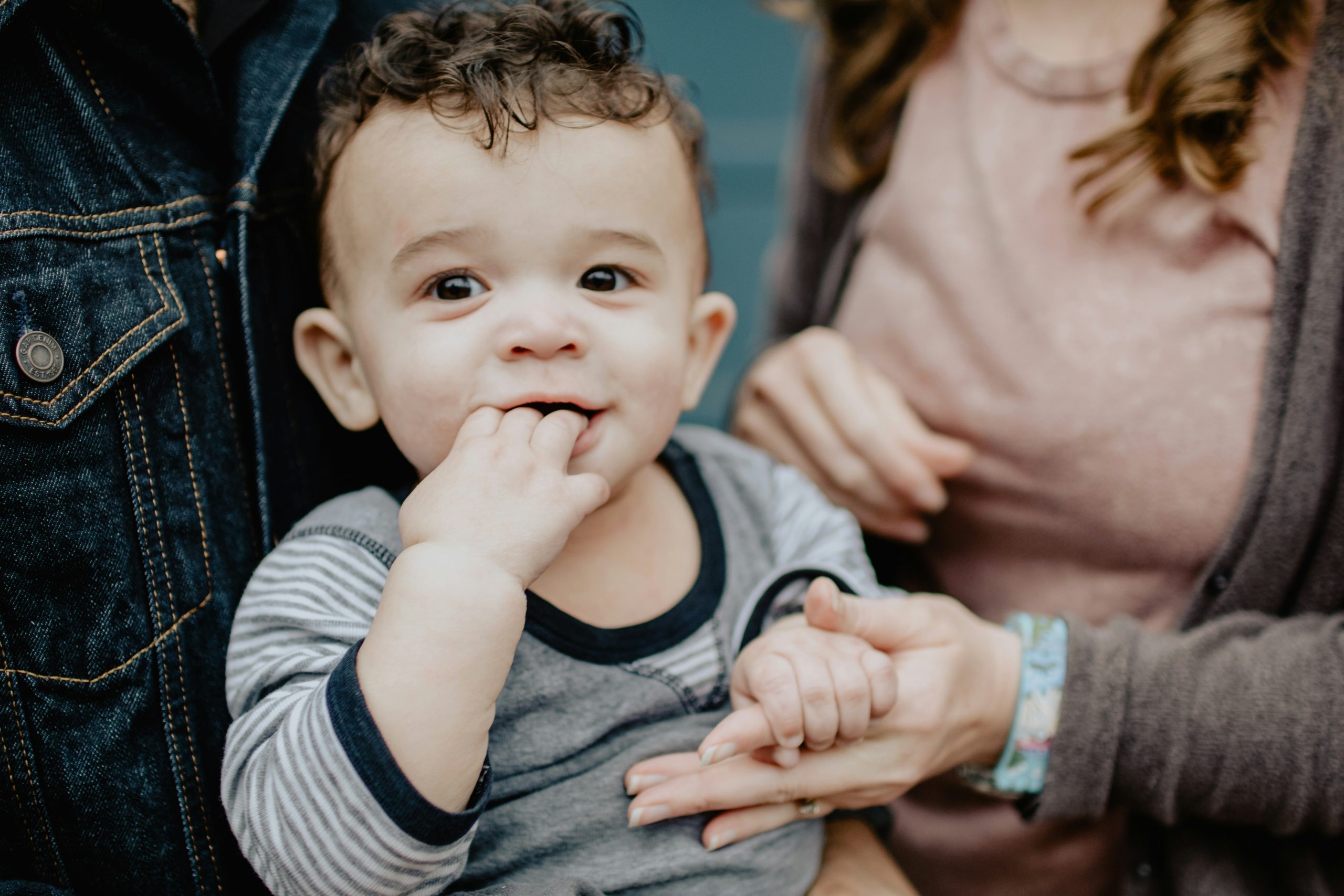
Screen time has become one of the most talked-about factors in early childhood development, and a 2026 cross-sectional study on digital screen time and speech-language delay gives some of the clearest numbers yet on just how tightly the two are linked. Researchers examined 2,000 children between six months and five years old and looked specifically at the relationship between digital screen exposure and speech delay. The results were striking: 60 percent of the children studied showed some form of speech delay, with toddlers representing the most affected group at a 70 percent rate. The study also found that heavy daily screen use, low-quality content, and minimal adult supervision during screen time were all strongly linked to delayed speech, regardless of the child’s exact age.
What makes this data especially relevant is the behavioral detail buried inside it. Many of the toddlers in the study were relying heavily on gestures instead of words, speaking only a handful of unclear words, and showing signs of frustration such as tantrums when their screen access was limited. Sleep and feeding troubles showed up in a smaller but still notable share of affected children. None of this means every screen-exposed toddler will develop a delay, but the pattern is hard to ignore. It suggests that passive screen time, especially without an adult narrating, asking questions, or engaging alongside the child, may be crowding out the back-and-forth conversation that toddlers actually need to build language skills.
The Global Picture: How Common Speech Delay Really Is
The second data point worth paying attention to comes from a 2026 case-control study on speech and language delay in children aged 2 to 10. This research places speech and language delay within a global context, noting that the condition affects somewhere between 3 and 20 percent of children worldwide. That’s a wide range, and the width itself tells a story: rates of diagnosed delay vary enormously depending on region, access to healthcare, screening practices, and the specific criteria used to define a delay in the first place.
This wide range is a helpful reminder for parents everywhere, not just in one country. It means speech delay isn’t a rare or isolated issue tied to a single environment or parenting style. It’s a developmental concern that shows up across cultures, income levels, and healthcare systems, which is exactly why pediatric and public health organizations continue to push for earlier, more consistent developmental screening. When you put the two 2026 findings side by side, a clear theme emerges: rates of speech delay are meaningful everywhere, and environmental factors like screen exposure appear to be amplifying the numbers in specific populations.
7 Signs Parents Shouldn’t Ignore
Every child develops at their own pace, and a little variation is completely normal. That said, certain patterns tend to signal that a professional opinion is worth getting rather than waiting it out. Here are seven signs speech-language experts commonly flag.
1. No babbling by 12 to 15 months
Babbling is the foundation of spoken language. If your toddler isn’t experimenting with repeated sounds like “ba-ba” or “da-da” by this window, it’s worth mentioning at the next pediatric visit.
2. Fewer than a handful of words by 18 months
Most toddlers have at least a small working vocabulary by a year and a half. A near-total absence of spoken words at this stage is one of the more commonly cited red flags.
3. No two-word phrases by age two
Combining words, such as “more milk” or “go outside,” is a major milestone. If a two-year-old is still relying almost entirely on single words or gestures, that gap is worth flagging.
4. Difficulty being understood by familiar adults
Some unclear speech is expected in toddlers, but if even parents or regular caregivers struggle to understand most of what a two-and-a-half or three-year-old is saying, it’s a sign worth taking seriously.
5. Limited response to their name or simple instructions
This points to receptive language, or how well a child understands spoken communication. A toddler who doesn’t reliably respond to their name, or who seems not to follow simple one-step directions by around 18 months, may be dealing with more than just an expressive delay.
6. Heavy reliance on gestures instead of words
Pointing and reaching are normal early communication tools, but when gestures remain the primary way a toddler communicates well past age two, it often signals that spoken language isn’t developing as expected.
7. Loss of previously acquired words or skills
This one deserves particular attention. If a child was using certain words or sounds and then stops, that regression is different from a simple delay and should be brought to a doctor’s attention promptly.
If several of these signs sound familiar, try not to panic. A single sign in isolation, especially in a child under two, doesn’t necessarily mean anything serious. But a cluster of these signs, or a pattern that persists past the typical age range, is a good enough reason to ask for a formal evaluation. It can also help to keep a simple log for a week or two, jotting down the words your toddler uses, how they respond to instructions, and how they communicate when they want something. That kind of record turns a vague worry into concrete information, and it makes the conversation with your pediatrician far more productive than trying to recall specific examples on the spot.
What Might Be Causing the Delay
Speech delay rarely has one single cause. In many cases, it’s a mix of factors working together, and the specific mix looks different for every child. Some of the most commonly cited contributors include:
- Hearing difficulties, even mild or intermittent ones caused by frequent ear infections, which can make it harder for a child to pick up on sounds and words clearly
- Limited verbal interaction at home, whether due to busy schedules, multiple caregivers with inconsistent routines, or simply less day-to-day conversation
- Excessive or unsupervised screen time, particularly passive viewing without adult engagement
- Developmental conditions such as autism spectrum disorder, which can affect both speech and broader communication skills
- Premature birth or other early medical complications that can influence the pace of overall development
- Bilingual or multilingual household dynamics, which can sometimes cause a temporary lag in one language before skills catch up
- Family history of speech or language difficulties, since genetics can play a role in the timeline of language development
It’s also worth remembering that plenty of everyday factors play into language growth in ways that have nothing to do with a disorder. Time spent reading together, singing, narrating daily routines, and simply talking with your toddler throughout the day all build the foundation for strong communication skills. If you’re intentional about finding the best activities and education options for your kids, you often notice a real difference in how quickly your child’s vocabulary expands, since hands-on, interactive play tends to encourage far more talking than passive entertainment does.
Keep in mind that identifying a possible cause isn’t about assigning blame to yourself or your household setup. Even families who read every night, talk constantly with their toddler, and limit screens carefully can still end up with a child who needs speech therapy. Development is influenced by biology as much as environment, and sometimes there’s no single clear explanation at all. The goal of understanding potential causes isn’t to find fault, it’s to give your pediatrician and any specialist a fuller picture so they can recommend the right kind of support for your specific child.
When to Seek Help and What to Do Next

If you’ve noticed a few of the signs above, the most useful next step is a conversation with your pediatrician. They can rule out hearing issues, review your child’s overall developmental history, and refer you to a licensed speech-language pathologist if needed. Early intervention programs exist in most regions specifically for children under three, and many of them are free or low-cost through public health systems. Getting on a waitlist early, even if you’re still unsure whether there’s a real issue, rarely hurts and often helps, since evaluation slots can sometimes take weeks or months to open up depending on where you live.
A lot of parents hesitate to bring up concerns at checkups, worried they’ll sound overly anxious or that a doctor will simply say “give it more time.” That hesitation is understandable, but it’s worth pushing past. Pediatricians expect these questions, and a formal screening tool takes only a few minutes to complete. Even if the result comes back reassuring, you’ll have peace of mind and a documented baseline to compare against at the next visit. If it turns out there is a delay, you’ll have started the process that much sooner, and with speech development, sooner almost always makes a meaningful difference in outcomes.
In the meantime, there’s a lot you can do at home to support language development while you wait for a professional evaluation:
- Narrate your day out loud, describing what you’re doing as you cook, drive, or get your child dressed
- Read together daily, even short board books, and pause to name pictures and ask simple questions
- Get down on the floor and follow your toddler’s lead during play, describing what they’re doing in simple language
- Limit screen time, and when screens are used, choose interactive, high-quality content and watch together rather than letting your child watch alone
- Avoid finishing your child’s sentences or immediately handing them what they’re pointing at, giving them a moment to attempt the word first
- Celebrate small attempts at communication, whether that’s a new sound, a gesture paired with an attempt at a word, or a single clear word used correctly
None of these strategies replace professional support if a delay turns out to be more significant, but they create an environment where language has every chance to develop naturally, and they give you useful information to share with a specialist if you do move forward with an evaluation.
Final Thoughts
Speech delay is common, well understood, and in most cases, very responsive to early support. The 2026 data makes two things clear: environmental factors like screen time can meaningfully influence how a child’s language develops, and speech and language delay is a widespread issue that shows up in children everywhere, not just in isolated cases. Trusting your instincts as a parent matters here. You know your child better than any chart or statistic ever could, and if something feels off, it’s always worth asking a professional rather than waiting to see if it resolves on its own. Catching a delay early, and pairing that awareness with a language-rich, engaged home environment, gives your toddler the best possible shot at catching up and thriving.